
8 June 2026
Michael Curtis argues that sensors are the base layer of a modern mine. Automation, analytics and artificial intelligence only hold if that layer is accurate.
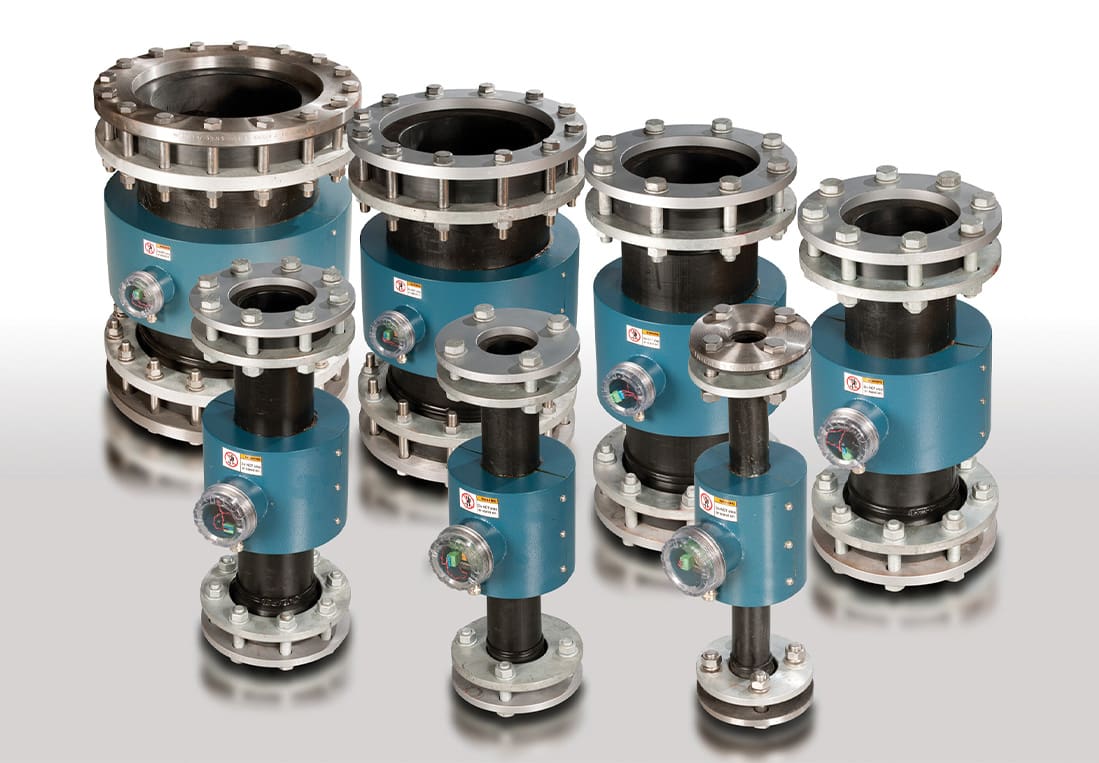
Sensors sit under everything else
In the push toward safer, more efficient mines, sensors rarely get the attention given to software. For Upstream Technology they are the starting point. Formed in 2024, when De Beers Marine and Ignite came together, the business was built to deliver an integrated system across upstream operations. Sensing sits at the bottom of that system.
Automation fails when the inputs fail
Michael Curtis, Chief Executive of Upstream Technology, is direct about the sequence. Automation only works when the sensors feeding it are reliable and accurate. If the sensing fails, the automation fails with it. He points to earlier industry projects that spent heavily on control systems while the measurements underneath stayed unstable. Decisions built on poor inputs cannot be trusted.
Get the measurement right first
The approach is to settle sensing first, then automation, and only then advanced analytics or artificial intelligence. In a processing plant, sensors hold flows, levels, pressures and densities inside a tight operating window. On machines, temperature, vibration and load data support maintenance before a failure becomes serious.
From joysticks to a sensor-driven crawler
Offshore crawler mining shows what that shift looks like in practice. What used to need two pilots on the surface, working joysticks to hold heading and mining rate, is now largely sensor-driven. Position, heading, depth and machine health are tracked continuously, and the system can run with far less hands-on control. The result has been a higher mining rate and better recovery, because the machine holds the right heading.
Seeing the hazard without standing in it
The same principle applies underground, where the hazard is different. LiDAR and laser scanning are being used to map roof support and confirm that each bolt is installed correctly, so people do not have to stand close to the hazard to inspect it. Where a camera cannot see, sonar and positional sensors give operators a picture of the tool and the work in front of it. Through-belt X-ray transmission sensors add another layer in the plant, reading diamond and ore properties continuously so the circuit stays stable.
The culture has to use the system
Curtis is equally clear that equipment is not enough on its own. If people bypass a system, or stop paying attention to it, the protection it was meant to provide disappears. Sensors are the eyes and ears of the operation. They earn their value when they are paired with training and a safety culture that treats the data as something to act on.
Mining sensors and automation: the key points
- Sensing comes first, then automation, and only then advanced analytics or artificial intelligence.
- Automation only works when the sensors feeding it are reliable and accurate.
- In a processing plant, sensors hold flows, levels, pressures and densities inside a tight operating window.
- Offshore crawler mining has moved from two joystick pilots to largely sensor-driven control.
- Underground, LiDAR and laser scanning check roof support so people do not have to stand close to the hazard.
- Equipment protects people only when training and safety culture make sure the data is acted on.
Related technology and reading
- Integrated management systems and advanced sensing
- Next-Gen Seabed Crawler
- Next-generation crawler lifts marine diamond recovery on the Benguela Gem
- Processing technology built for recovery, and for the plant around it
To discuss sensing and automation for your mine, contact the Upstream Technology team.