
16 September 2025
After nearly four years of development in Cape Town, Upstream Technology’s next-generation subsea crawler is recovering diamonds for Debmarine Namibia, with a second unit already in build.
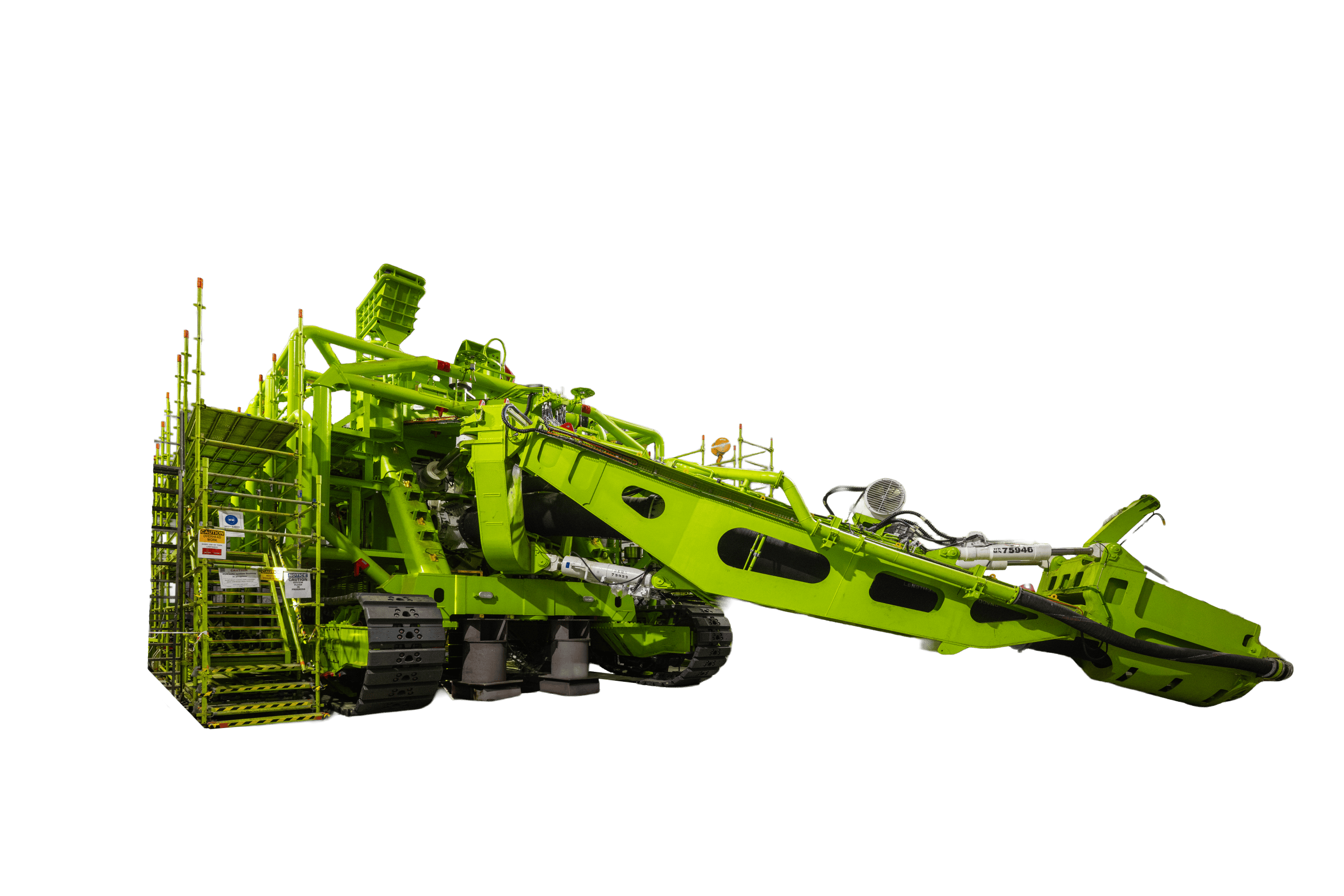
The next-generation crawler, now in production
More than twenty years after the first subsea crawler was developed for diamond recovery, a new generation of the machine is at work off Namibia. Built for Debmarine Namibia’s flagship, the MV Benguela Gem, it is the result of close to four years of design, assembly and testing at Upstream Technology in Cape Town. It is already on the vessel and in production.
A higher mining rate, with little extra cost
Project manager Rudi Agostinho describes the machine as the product of operational lessons, precision engineering and a much higher level of automation. The upgrade is expected to lift the Benguela Gem’s effective mining rate by about 20 percent, with only a small rise in operating cost, so the vessel can make fuller use of the treatment plant already on board. A second, identical crawler is in assembly and will step in when the first unit is due for service.
Sized for the seabed
At 370 tonnes, the crawler is larger than earlier models: 28 metres long and 8 metres in both height and width. Working between 100 and 135 metres below the surface, a mining arm sweeps a 21-metre arc in about 25 seconds. Seawater, sand, gravel and diamond-bearing sediment are drawn up an 800-millimetre pipeline.
Availability, automation and sonar
Reliability was designed in from the start. Mining system specialist Sebastian van der Laer says the team set out to move engineering availability from 82 percent to 87 percent. A hydraulic track-tensioning system adjusts itself as seabed conditions change, cutting wear on the track chain and improving gearbox torque. Technology development manager Imraan Parker notes that automation locks in consistent operating practice, limits stress on the structure and extends the machine’s working life. The same automation supports deployment from the vessel. Forward-looking sonar gives operators a clear picture of the seabed, so recovery can continue down to the footwall.
Built and proved in Cape Town
Building a machine of this size also changed how the Cape Town workshop works. The 47-tonne dredge motor was lifted into the frame with two overhead cranes working in sync, a method now written into future builds. Getting the finished crawler to the harbour, then onto the quay with a 750-tonne crane, took its own plan. Before it went to sea, every system was run through full-scale simulations on land. More than 2.2 kilometres of cable and over 10,000 connections were checked, with Debmarine Namibia’s operating crew involved through assembly so feedback from the vessel could be built in.
A platform for harder ground
Taken together, the crawler is a platform for the next chapter of marine diamond recovery: more material, recovered more consistently, with less time out of the water, including in harder conditions.
The seabed crawler at a glance
- Operator and vessel: Debmarine Namibia, MV Benguela Gem
- Development: close to four years of design, assembly and testing in Cape Town
- Mass: 370 tonnes
- Size: 28 metres long, 8 metres high and 8 metres wide
- Working depth: 100 to 135 metres below the surface
- Mining arm: sweeps a 21-metre arc in about 25 seconds
- Pipeline: 800 millimetres
- Engineering availability target: from 82 percent to 87 percent
- Expected effect: effective mining rate up by about 20 percent, with only a small rise in operating cost
- Second unit: an identical crawler in assembly, to step in when the first is due for service
Related technology and reading
- Next-Gen Seabed Crawler
- Marine and offshore mining capabilities
- Marine GeoSurvey and AUV geophysical surveys
- Reliable sensing comes before automation
To discuss marine mining technology for your operation, contact the Upstream Technology team.